 FUTURE PROOF MARKETER
What to Publish When Nothing Is Happening: The Bear-Market Content Calendar
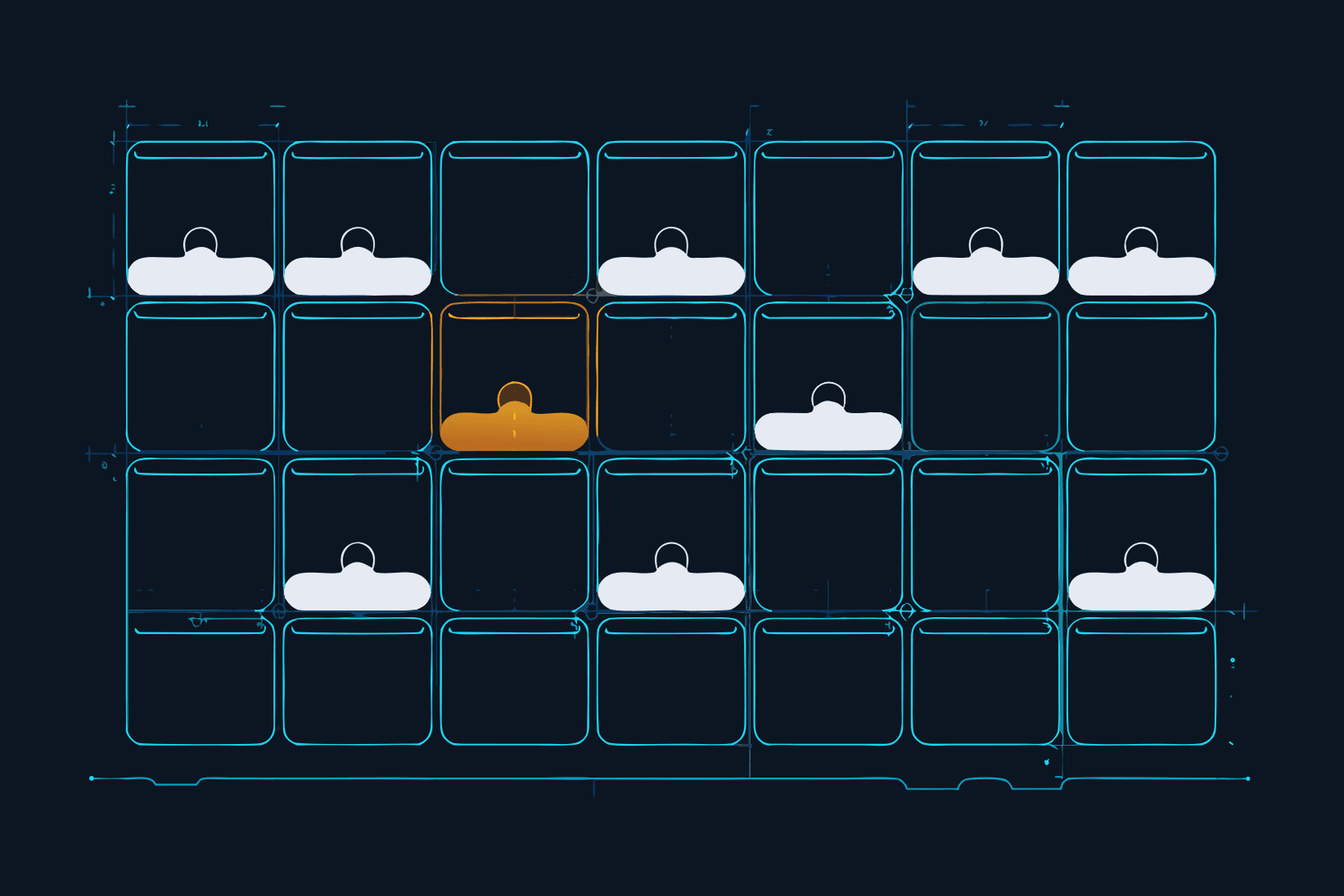
Anyone can run a content calendar during a pump — the news writes itself and the audience refreshes obsessively. The calendar that separates real projects from abandoned ones is the other calendar: the one for months when the chart is flat, the mentions are quiet, and there is officially Nothing To Announce.
We did community and content work inside a Web3 ecosystem through exactly those months. Here's the calendar that held.
Why the quiet months count double
In an industry defined by rug pulls, the scarcest signal is persistence. A weekly update that ships in week 40 of a flat market proves something no whitepaper can: the team is still there. Meanwhile attention is on discount — competitors go silent, share-of-voice is cheap, and the people still reading in a bear market are precisely the high-conviction community you want holding the mic when the cycle turns.
The five formats that need no news
1. The build log (weekly anchor). What shipped, what broke, what's next — three bullets is enough. Development is the news when price isn't. This one format, held weekly, outperforms every announcement strategy we've watched.
2. Education that outlives cycles. Explainers about your problem space — the kind of evergreen that ranks for years and gets cited by AI assistants long after newsy posts evaporate. Quiet months are when the archive gets built.
3. Community spotlights. A contributor interviewed, a translation credited, a build showcased. Costs one conversation; pays in retention, because recognition is the reward contributor ladders run on.
4. The transparent metrics review. Monthly, honest, including the down numbers — wallets and retention, not impressions. Publishing bad numbers in a bad market is a flex disguised as a report.
5. Archive resurfacing. "Most of you weren't here when we explained X" is a legitimate weekly slot. New community members haven't read your old best work; the algorithm certainly won't show it to them.
Making it sustainable for a tiny team
The calendar fails if it costs more energy than the quiet months give back. The fix is the same derivation math as any solo operation: one 30-minute recording a week — founder build-update, AMA, walkthrough — run through the repurposing pipeline into clips, posts and the newsletter, with translation covering your language communities from the same session. The Web3 stack we recommend exists for precisely this cadence: an owned newsletter at the center, multilingual video feeding it, on-chain data keeping the metrics review honest.
The two assets you're actually building
Nothing in this calendar chases engagement spikes, because quiet-month content builds the only two assets that cross cycles: the owned list (readers who chose you independent of price action — the audience every launch after this one starts from) and the archive (evergreen content compounding in search while everyone else's feed content decays). When the market turns, projects with both start the cycle mid-conversation. Projects without them start from "remember us?"
Publish like the team you claim to be — especially when nobody's watching. That's when it counts, and everybody can tell.
Questions we actually get
What should a crypto project post when there's no news?→
Rotate five formats that never depend on news: a weekly build log (what shipped, what broke), evergreen education about your problem space, community contributor spotlights, honest metric reviews, and resurfaced archive content for the people who missed it. The point isn't information — it's demonstrating a heartbeat.
Should Web3 projects keep marketing in a bear market?→
It's the highest-leverage time to: attention is cheap, competitors go silent, and communities remember who kept showing up. A weekly cadence held through a downturn converts directly into launch-week trust when the cycle turns — while silence reads as abandonment in an industry defined by rug pulls.
How do you keep a content cadence with a tiny team?→
Derive, don't create: one 30-minute recording a week — a build update, an AMA, a walkthrough — becomes clips, posts, and the newsletter through a repurposing pipeline, with translation multiplying it across language communities. The cadence survives because the input is small enough to protect.
Does posting during quiet markets actually grow anything?→
It grows the two assets that survive cycles: the owned list (people who opted to hear from you regardless of price) and the archive (evergreen content that compounds in search and AI citations while newsy content evaporates). Both are worth more than the engagement spikes they replace.
FILED ON THE AI CONTENT & SEO SHELF — MORE FIELD-TESTED TOOLS AND GUIDES THERE →
#web3 marketing#content marketing#community
Never miss a verdict
One tool tested, one workflow, one future signal, one deal — every week.
One email with the goods, then the weekly letter. Unsubscribe anytime.
Keep reading
Web 3.0
Web3 Marketing Metrics That Matter: Wallets, Not Impressions
Web3 is the only industry where your marketing results are publicly verifiable on-chain — and most projects still report impressions. The five metrics worth a dashboard.
SEP 2026 · 2 MINREAD →
Web 3.0
How to Build a Crypto Community Without Paying for Shills
KOL budgets rent applause; communities earn belief. What four years inside a Web3 ecosystem taught us about growing a community that survives its own token launch.
AUG 2026 · 3 MINREAD →