
Email Deliverability for Small Senders: Staying Out of Spam Without an IT Department
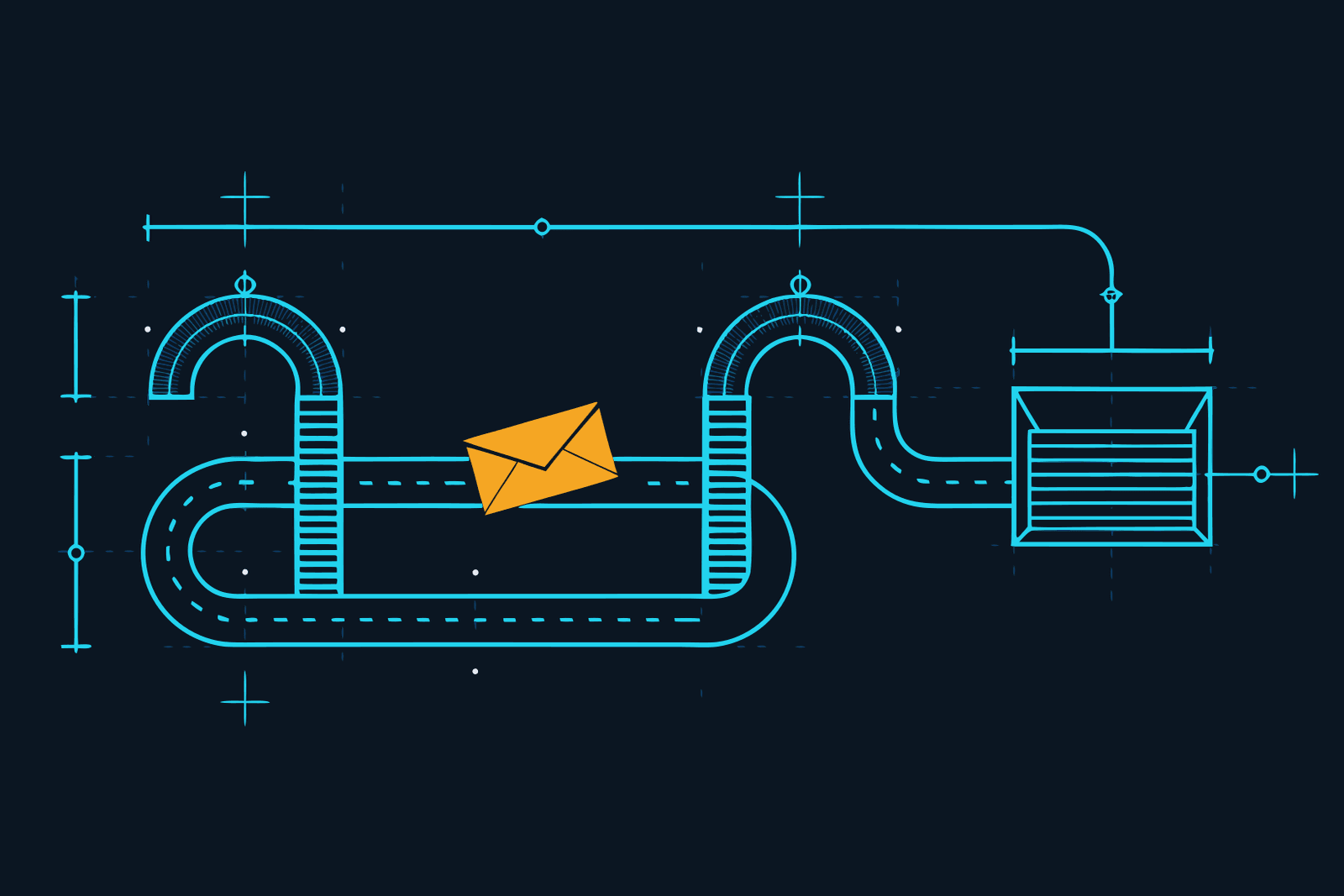
Deliverability is the marketing problem nobody assigns you until it's already happened: open rates halve, replies stop, and nothing changed on your end — except that inbox providers quietly reclassified you. Big senders have deliverability teams. You have this checklist, which — good news — covers most of what actually matters at small scale.
Lever 1: The three DNS records (one hour, once)
SPF, DKIM and DMARC are three DNS records that prove your email is really from you. In plain terms: SPF says who's allowed to send for my domain, DKIM signs each message so tampering shows, DMARC tells inboxes what to do when the others fail. Since 2024, Gmail and Yahoo require them for bulk senders — this stopped being optional.
The un-scary part: your email platform generates the exact values, and you paste them into your domain's DNS settings once. Every serious tool — the challengers included — has a guided setup page for this. If you've never checked yours, do it before reading further; it's the highest-leverage hour in email.
Lever 2: Send from a domain you own
Bulk email from @gmail.com addresses is increasingly dead on arrival (DMARC policies at the big providers saw to that). Sending from you@yourdomain.com is the entry ticket — and it means your domain carries your reputation, an asset you keep even when you switch platforms.
Lever 3: List quality is deliverability
Inbox providers judge you statistically: what share of your recipients engage, bounce, or hit spam? Every dead address you keep drags the average down for everyone else — hygiene isn't just a billing lever, it's reputation maintenance. The other rules write themselves once you see it this way: never purchase lists (imported strangers = engagement poison + spam traps), use confirmed opt-in if your signups attract bots, and make unsubscribing effortless — an unsubscribe is neutral; a spam complaint is a wound.
Lever 4: Behave like a predictable sender
Providers trust patterns. Steady weekly volume looks like a newsletter; silence-then-blast looks like a compromised account. Practical version: keep a consistent cadence (the welcome sequence helps — new subscribers get engaged mail immediately, which trains providers that your mail gets opened), and when starting fresh on a new domain or platform, ramp up over a couple of weeks starting with your most engaged readers rather than day-one blasting the archive.
Lever 5: Know what your platform contributes
You share sending infrastructure — and therefore reputation — with your platform's other customers. This is a real, rarely-mentioned difference between tools and tiers: free plans share IPs with every other free user, which is fine until it isn't. It belongs on the comparison sheet next to the pricing curves, and it's one honest reason paid tiers exist beyond feature gates.
The monthly two-minute check
Skip the paid monitoring dashboards at this scale. Monthly: glance at open/click trends for a step-change (gradual drift is content; a cliff is deliverability), send a test to a Gmail account you own and see where it lands, and use a free DMARC/SPF checker on your domain. If a cliff appears with clean DNS and a clean list, your platform's support has data you can't see — deliverability is one of the few problems where filing the ticket is the professional move.
None of this is glamorous. But the entire economics of email — the owned channel everything else on this site funnels into — rests on messages arriving. An hour of DNS, a quarterly clean, and boring consistency: that's the whole IT department.
Questions we actually get
Why are my emails going to spam?→
For small senders it's usually one of four causes: missing authentication records (SPF, DKIM, DMARC), a decayed list with too many dead addresses dragging engagement down, sending from a free email address instead of your own domain, or erratic sending patterns — months of silence followed by a blast. All four are fixable without an IT department.
What are SPF, DKIM and DMARC in plain language?→
Three DNS records that prove your emails are really from you: SPF lists who may send on your domain's behalf, DKIM adds a cryptographic signature to each message, and DMARC tells receiving inboxes what to do when the first two fail. Your email platform provides the exact values; you paste them at your domain registrar once, and major inbox providers have required them for bulk senders since 2024.
Do I need to warm up my email domain?→
At solo-marketer scale, formal warm-up services are overkill — but the principle applies: when starting a new domain or platform, begin with your most engaged subscribers and grow volume gradually over a couple of weeks rather than blasting the full list on day one. Consistent weekly volume afterward is the real warm-up.
Does my email platform affect deliverability?→
Meaningfully — you share sending infrastructure and reputation with the platform's other customers, which is one of the hidden differences between tools and tiers (free tiers share with every other free user). It's a legitimate factor when choosing between platforms, alongside the pricing curves.
FILED ON THE AI VIDEO & REPURPOSING SHELF — MORE FIELD-TESTED TOOLS AND GUIDES THERE →
#email marketing#deliverability#automation
Never miss a verdict
One tool tested, one workflow, one future signal, one deal — every week.
One email with the goods, then the weekly letter. Unsubscribe anytime.
Keep reading

Artificial Intelligence
How to Repurpose One Webinar Into a Month of Content
One webinar holds a month of content if you treat it as raw material instead of a finished product. Get the transcript, pick five to eight moments, then turn them into clips, a blog post, an email series, carousels and quote cards, and spread it all over four weeks. Tool prices checked September 2026.
OCT 2026 · 8 MINREAD →
Artificial Intelligence
How to Build a Lead Magnet With AI in One Afternoon
One specific problem, one format, your own notes, an AI assistant and a free design tool: the afternoon recipe for a lead magnet that earns an email, from the first prompt to the tested delivery email.
OCT 2026 · 8 MINREAD →