
Lead Magnets That Don't Suck: What's Actually Worth Trading an Email For
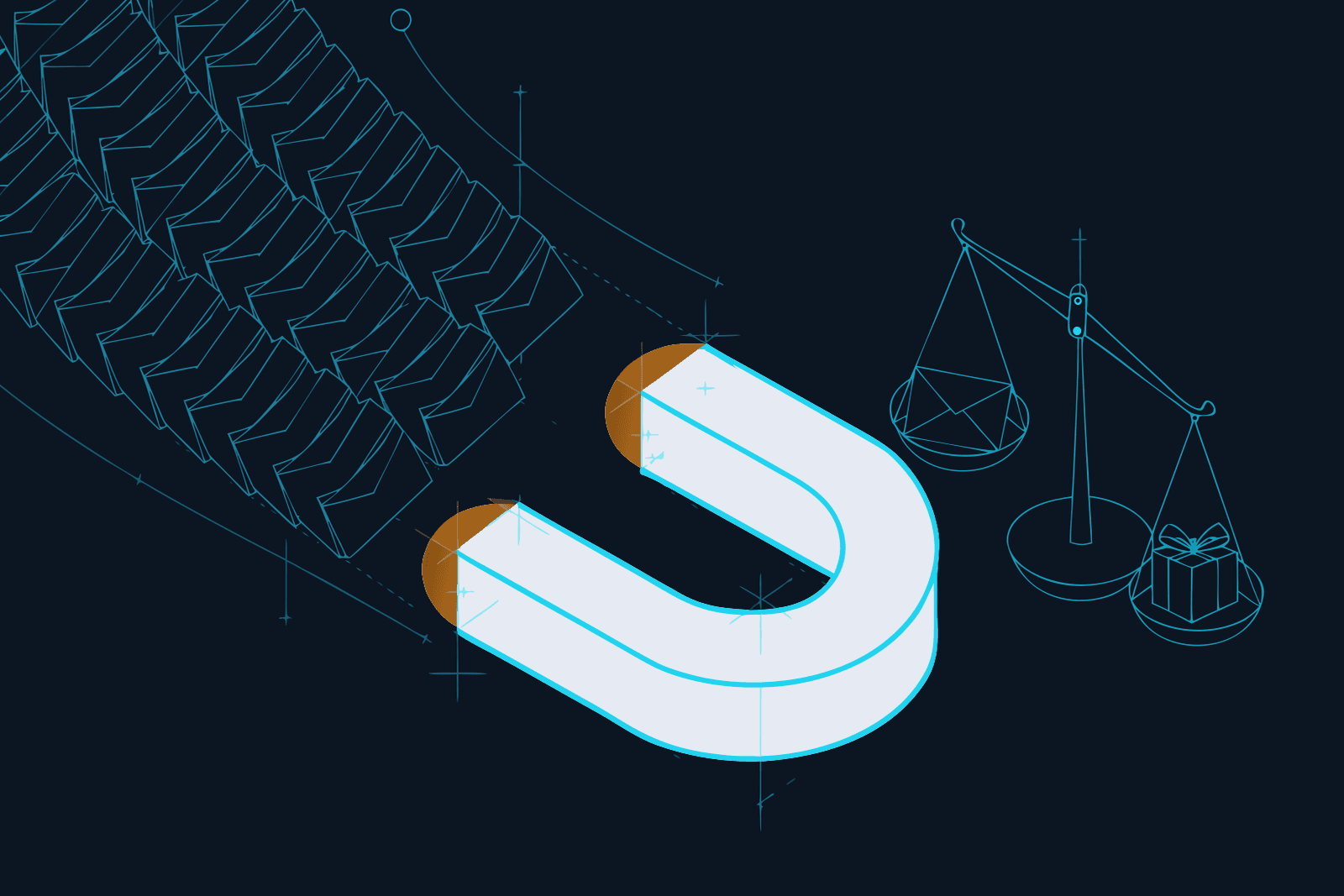
"Sign up for updates" is dead, and its replacement is dying: the generic PDF checklist that gets downloaded, unopened, and resented. Email addresses got expensive — people know what a signup costs them in future inbox noise — so the bar for a lead magnet is now brutally simple: would a reasonable person pay a few euros for this? If not, they won't pay an email for it either.
After building our own magnets and studying everyone else's, here are the four formats that still clear that bar.
1. The artifact: something they keep using
Not information — a thing. A template, a prompt library, a pre-mapped funnel they can copy. Information gets read once; artifacts get opened every week, and every open re-advertises you. Our own primary magnet is a complete tool stack with real prices precisely because people return to it when a renewal hits.
2. The swipe: work they can steal
Finished examples beat instructions. Five real funnels mapped out, ten subject lines with their open rates, a welcome sequence with every email's job spelled out — swipes convert because they collapse effort. The unlock: you already have swipe material in whatever you've built for yourself.
3. The calculator: their numbers, not yours
Anything that takes the reader's inputs and returns their answer — a pricing comparison at their list size, an ROI estimate at their volume. It converts because the output is personal and unfakeable by a blog post. (This is also the format big publishers copy last, because it's the most work. Good.)
4. The living document: updated forever
A resource with a changelog — re-checked quarterly, visibly maintained — turns one signup into a subscription relationship: people join to stay current, which is a much stronger contract than "get this file." It's why our magnet updates quarterly and our stack page keeps a public changelog; the maintenance is the magnet.
The test before you build
One question, asked honestly: does this magnet make the visitor measurably better at the thing that brought them to the page? Not "informed" — better. A checklist that summarizes your post fails; a template that finishes their task passes. If you can't say what the reader can do five minutes after opening it, don't build it yet.
And one alignment rule from the funnel side: the magnet should attract the person your paid offer serves. A viral magnet that pulls the wrong crowd fills your list with people who will never buy — expensive noise dressed as growth (here's what that noise costs per contact).
Delivery: where good magnets go to die
- Deliver instantly, in email one. The signup moment is peak attention; make the first email the payoff, not a confirmation ritual.
- The thank-you page is your cheapest real estate. They just said yes; show the next yes (the tripwire logic — even just "here's our best comparison" works).
- Watch the free-plan trap. Magnet delivery plus a welcome sequence needs real automation; some free email tiers include no automations at all, so check that before you build.
- Update or retire. A magnet citing 2024 prices is negative marketing. Calendar its review with your quarterly list clean.
The pattern behind all four formats: respect. A lead magnet is your first delivery to a stranger who half-trusts you. Ship them something you'd genuinely defend charging for, and the email list stops being a growth metric and starts being an audience.
FILED ON THE AI VIDEO & REPURPOSING SHELF — MORE FIELD-TESTED TOOLS AND GUIDES THERE →
#Funnels#email marketing#lead generation
Never miss a verdict
One tool tested, one workflow, one future signal, one deal — every week.
One email with the goods, then the weekly letter. Unsubscribe anytime.
Keep reading
Artificial Intelligence
How to Build a Lead Magnet With AI in One Afternoon
One specific problem, one format, your own notes, an AI assistant and a free design tool: the afternoon recipe for a lead magnet that earns an email, from the first prompt to the tested delivery email.
OCT 2026 · 8 MINREAD →

Marketing
How to Design Social Media Graphics Without a Designer (2026)
You do not need a designer to post graphics that look like one brand. You need a one-page brand kit, five templates you reuse every week, one hour of batching, and a checklist you run before anything goes out. Here is the whole system, with Canva's free and Pro limits checked September 2026.
OCT 2026 · 10 MINREAD →