
The Minimum Viable Funnel: Selling Your First Digital Product
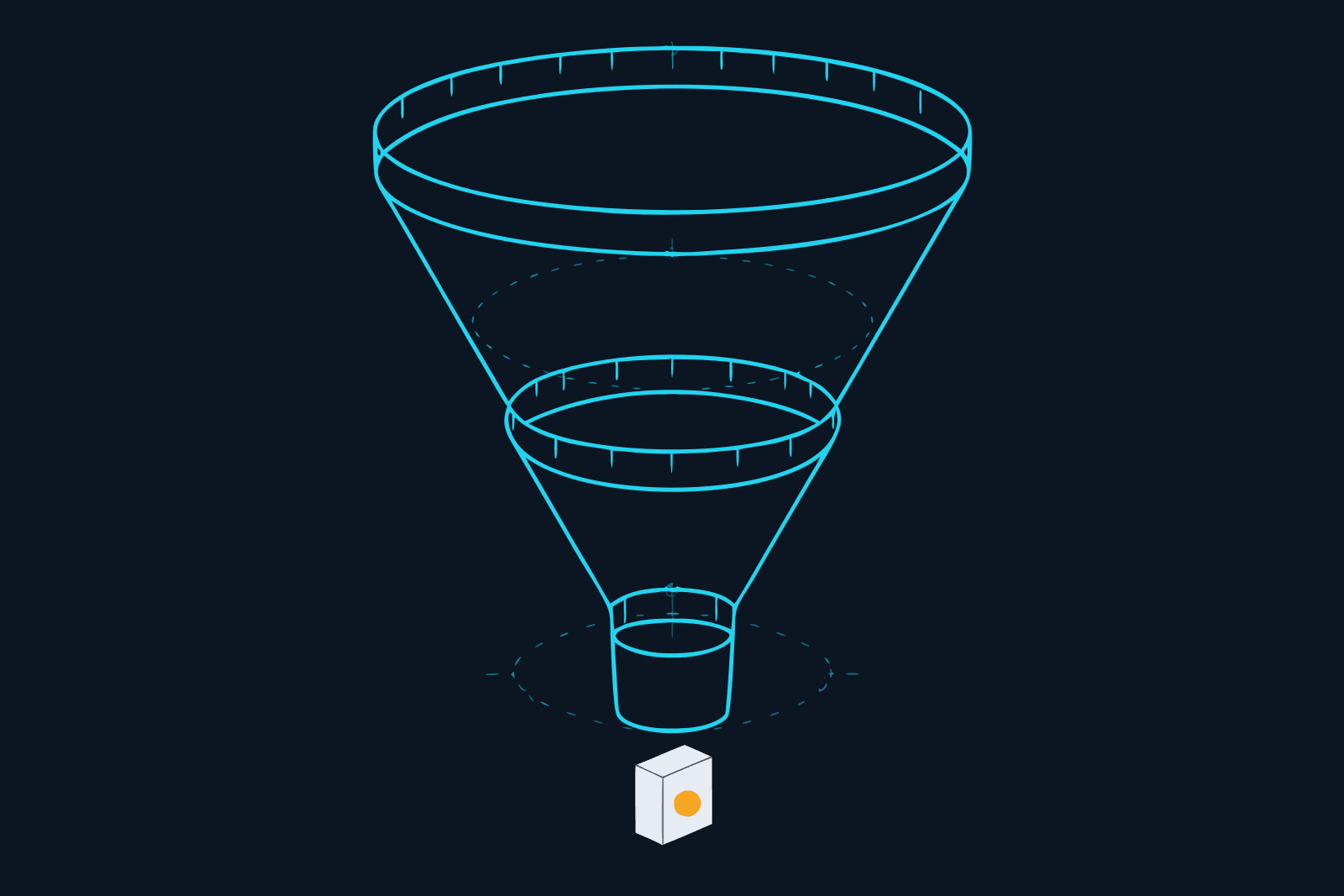
There's a version of funnel-building that lives in course ads: fourteen steps, three upsells, a webinar, countdown timers. And there's the version that sells your first product: four pages and one email sequence. We've built both kinds. Start with the second — complexity is earned by revenue, not the other way around.
The four pages
1. The opt-in. One page, one promise, one field. It offers your lead magnet — something genuinely worth an email — to the audience your product serves. This page's only job is turning attention into permission.
2. The thank-you page that works. The most wasted page on the internet. Your new subscriber just said yes; this is the highest-trust moment you'll ever have with them. Present the paid offer now, honestly framed: "The free guide covers X. If you want the full system, this is it — €19." A meaningful share of first-product sales come from this page alone.
3. The sales page. Not long-form persuasion theater — answers. Every first product faces the same five silent questions: What exactly do I get? Who is this for (and not for)? Why should I trust you? What if it's not for me? What does it cost? One clear section each, a screenshot of the actual product, one buy button repeated. Write it, then rewrite it after every question a real customer emails you.
4. Delivery. Instant, obvious, and warm. The download plus a two-line note that treats them like the customer they just became. (This page is also where your next product will one day be mentioned. Not yet.)
The sequence that connects them
The five-email welcome sequence you'd build anyway does the selling here: deliver the magnet, tell the story, shift the belief, show proof — and email five makes the offer to everyone the thank-you page didn't convert. That's the whole machine. It runs while you sleep, which is the point.
The tooling (deliberately boring)
This entire funnel fits inside one tool's free plan. As of our last check, Systeme.io's free tier includes the pages, checkout and the one automated sequence this shape needs — it's the reason it wins our "business-builder" verdict. If your email home is elsewhere, the challenger tools all handle the sequence; just mind the free plans with few or no automations. Map the four pages in a funnel canvas first if you think visually — ten minutes of drawing it prevents a week of rebuilding it.
The first ten sales are research
Price the first product low — €9–29, where trust is the only obstacle. Not because your work is worth little, but because the first product's real output isn't revenue: it's customers (people who've paid you once behave completely differently from subscribers) and objections (every pre-purchase question you receive is a sales-page revision, and every "I bought because…" reply is your future headline). Ten sales in, you'll know more about your audience than any amount of audience-building taught you.
Then — and only then — earn the complexity: an order bump, a second product, maybe someday the webinar. The fourteen-step funnel isn't wrong; it's just chapter five, and this is chapter one.
Questions we actually get
What is a minimum viable funnel?→
The smallest set of pages that can turn a stranger into a customer: an opt-in page offering a lead magnet, a thank-you page that presents the paid offer, a sales page, and a delivery page — connected by a short email sequence. Everything else (webinars, order bumps, upsells) is optimization to add after the core loop proves itself.
Can you build a sales funnel for free?→
Yes. As of September 2026, Systeme.io's free plan includes 3 funnels, checkout, unlimited newsletters and one email sequence with one automation rule, up to 2,000 contacts. That covers a first product launch. The constraint to watch on free email plans is automation limits, not page builders.
How much should I charge for my first digital product?→
Low enough that trust is the only obstacle — typically €9–29. The first product's job is not income; it's converting subscribers into customers (a different relationship) and generating the objections and questions that teach you how to sell the bigger thing later.
Do I need traffic before building a funnel?→
You need the funnel before concentrating on traffic, not after — otherwise attention arrives with nowhere to go. Build the four pages in a weekend, then point your existing channels at the opt-in; even a small list produces the first sales and, more importantly, the first objections to learn from.
FILED ON THE EMAIL, CRM & AUTOMATION SHELF — MORE FIELD-TESTED TOOLS AND GUIDES THERE →
#Funnels#digital products#solo marketing
Never miss a verdict
One tool tested, one workflow, one future signal, one deal — every week.
One email with the goods, then the weekly letter. Unsubscribe anytime.
Keep reading
Artificial Intelligence
How to Build a Lead Magnet With AI in One Afternoon
One specific problem, one format, your own notes, an AI assistant and a free design tool: the afternoon recipe for a lead magnet that earns an email, from the first prompt to the tested delivery email.
OCT 2026 · 8 MINREAD →

Marketing
How to Design Social Media Graphics Without a Designer (2026)
You do not need a designer to post graphics that look like one brand. You need a one-page brand kit, five templates you reuse every week, one hour of batching, and a checklist you run before anything goes out. Here is the whole system, with Canva's free and Pro limits checked September 2026.
OCT 2026 · 10 MINREAD →